

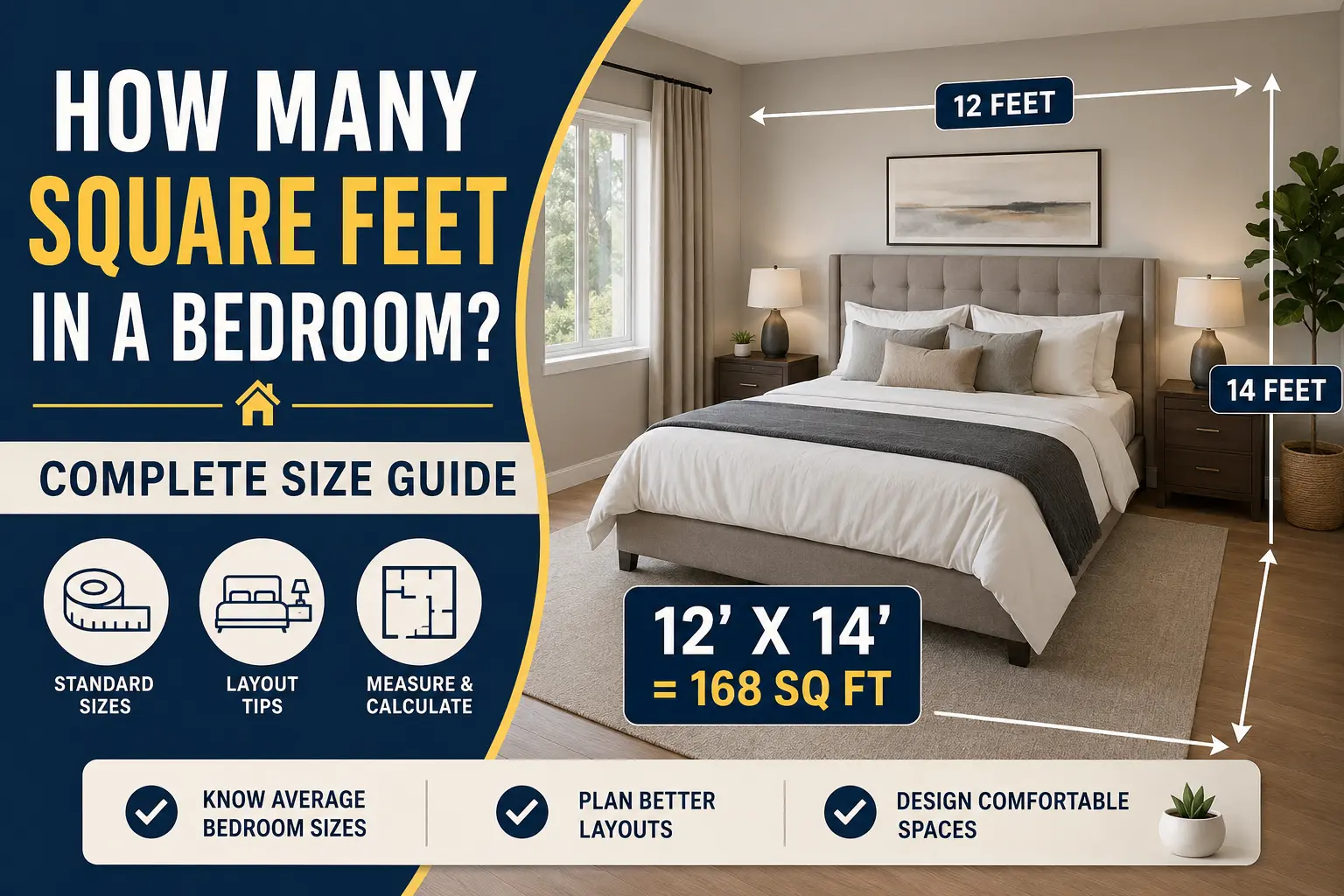
If you are planning a new home, redesigning your current space, or shopping for real estate, one common question is: how many square feet in a master bedroom is considered normal or ideal? The answer depends on the style of home, the furniture you want, and your comfort preferences.
A master bedroom, now often called a primary bedroom, is usually the largest bedroom in a house. It often includes extra features such as a walk-in closet, attached bathroom, sitting area, or workspace. Because of this, the size matters more than many people realize.
Understanding the average master bedroom size can help you make smarter design choices, improve comfort, and even increase home value. In this guide, you will learn standard square footage ranges, common dimensions, layout ideas, and practical tips for creating the perfect master bedroom.
What Is a Master Bedroom?
A master bedroom is the main bedroom in a home. It is generally designed for the homeowner or primary occupants and is larger than other bedrooms.
Today, many builders and designers use the term “primary bedroom” instead of “master bedroom,” but both refer to the same type of room.
Difference Between Master Bedroom and Standard Bedroom
A standard bedroom is usually meant for children, guests, or secondary use. These rooms are smaller and may only fit basic furniture.
A master bedroom normally includes:
- More floor space
- Larger closets
- Space for a king-size bed
- Additional furniture
- Attached bathroom access
- Better lighting and privacy
Why Bedroom Size Matters
Bedroom size affects:
- Comfort and movement
- Furniture placement
- Storage capacity
- Property value
- Overall home functionality
A room that is too small can feel crowded, while an oversized room may feel empty and difficult to decorate.
Average Master Bedroom Size
When people ask how many square feet in a master bedroom, the most common answer falls between 200 and 400 square feet.
However, room size varies depending on location, home age, and property value.
Standard Square Foot Range
Here is a simple breakdown of common master bedroom sizes:
| Bedroom Type | Average Square Feet | Common Dimensions |
|---|---|---|
| Small Master Bedroom | 200–250 sq ft | 14×14 feet |
| Medium Master Bedroom | 300–350 sq ft | 15×20 feet |
| Large Master Bedroom | 400+ sq ft | 20×20 feet or larger |
Most modern homes aim for around 250 to 350 square feet for the primary bedroom.
Common Master Bedroom Dimensions
Typical dimensions include:
- 12 x 14 feet = 168 sq ft
- 14 x 16 feet = 224 sq ft
- 15 x 20 feet = 300 sq ft
- 16 x 20 feet = 320 sq ft
- 20 x 20 feet = 400 sq ft
These dimensions help homeowners comfortably fit large furniture while maintaining open walking space.
Small vs Medium vs Large Master Bedrooms
A small master bedroom can still feel comfortable if designed well. Medium-sized rooms provide flexibility, while large rooms create luxury and additional functionality.
Large master bedrooms may include:
- Sitting areas
- Reading corners
- Fireplace features
- Home office space
- Lounge furniture
How to Calculate Square Feet in a Master Bedroom
Calculating bedroom square footage is simple.
The formula is:
Square Feet=Length×Width
Examples of Bedroom Measurements
If a bedroom measures 15 feet long and 20 feet wide:
15×20=300 square feet
Another example:
14×16=224 square feet
Always measure wall-to-wall floor space. Exclude areas outside the actual bedroom footprint.
For irregular-shaped rooms:
- Divide the room into rectangles
- Measure each section separately
- Add the totals together
This method provides more accurate square footage.
Typical Master Bedroom Sizes by Home Type
The size of a master bedroom often depends on the type of property.
Apartments
Apartment master bedrooms are usually smaller due to limited floor plans.
Average size:
- 180–250 square feet
These rooms commonly fit:
- Queen-size bed
- Small dresser
- Two nightstands
Luxury apartments may offer larger primary bedrooms with attached bathrooms.
Suburban Homes
Suburban single-family homes often feature medium-sized master bedrooms.
Average size:
- 250–350 square feet
This size comfortably supports:
- King-size bed
- Seating area
- Large dresser
- Walk-in closet
Luxury Homes
Luxury properties prioritize spacious bedroom suites.
Average size:
- 400–800+ square feet
These rooms may include:
- Lounge areas
- Coffee bars
- Oversized closets
- Spa-style bathrooms
- Private balconies
What Can Fit in Different Master Bedroom Sizes?
Understanding furniture capacity helps determine the ideal bedroom size for your needs.
200 Square Feet
A 200-square-foot master bedroom typically fits:
- Queen or king-size bed
- Two nightstands
- Medium dresser
- Small chair
This size works best with smart storage solutions.
300 Square Feet
A 300-square-foot room offers more flexibility.
You can comfortably add:
- King-size bed
- Large dresser
- Bench seating
- Reading chair
- Workspace
This is one of the most practical master bedroom sizes.
400+ Square Feet
A large master bedroom creates a luxury feel.
You may include:
- Sitting lounge
- TV entertainment area
- Fireplace
- Home office corner
- Oversized walk-in closet
However, larger spaces also require more decorating and maintenance.
Recommended Furniture Spacing in a Master Bedroom
Good spacing improves comfort and functionality.
Bed Clearance
Design experts recommend:
- At least 24 inches around the sides of the bed
- 36 inches for main walking areas
This prevents the room from feeling cramped.
Walking Space
Maintain clear walking paths between furniture pieces.
Avoid:
- Blocking doors
- Tight corners
- Oversized furniture
Open space improves room flow and comfort.
Closet and Bathroom Access
Ensure easy access to:
- Closet doors
- Bathroom entrances
- Windows
- Dressers
Poor layout planning can make even large rooms feel awkward.
Ideal Master Bedroom Layout Tips
A well-designed layout can make a smaller room feel larger.
Open Layout Concepts
Keep the center of the room open whenever possible.
Popular strategies include:
- Positioning the bed against the longest wall
- Using fewer oversized furniture pieces
- Adding mirrors for visual depth
Storage Solutions
Storage helps reduce clutter.
Good options include:
- Under-bed drawers
- Built-in shelving
- Wall-mounted storage
- Multi-functional furniture
Clean spaces feel larger and more relaxing.
Lighting and Window Placement
Natural light dramatically improves bedroom appearance.
Use:
- Large windows
- Soft layered lighting
- Bedside lamps
- Ceiling lighting
Good lighting can visually expand a room.
Is Bigger Always Better?
Many people assume larger bedrooms are always superior, but that is not always true.
Advantages of Large Master Bedrooms
Benefits include:
- Better comfort
- More furniture options
- Improved luxury feel
- Additional functionality
- Higher resale appeal
Large bedrooms also allow more personalization.
Potential Drawbacks
Oversized rooms can create challenges such as:
- Higher heating and cooling costs
- More cleaning
- Difficult furniture arrangement
- Empty appearance if poorly designed
Sometimes, a medium-sized well-designed room feels better than an oversized one.
Master Bedroom Size and Home Value
Bedroom size can influence real estate value and buyer interest.
Buyer Expectations
Modern home buyers often expect:
- Enough space for a king-size bed
- Walk-in closet access
- Comfortable movement space
- Attached bathroom
A cramped primary bedroom can reduce buyer interest.
Real Estate Trends
In newer homes, builders continue increasing primary bedroom sizes because buyers value comfort and privacy.
Popular trends include:
- Bedroom suites
- Spa-inspired bathrooms
- Flexible workspaces
- Sitting areas
Homes with attractive primary bedrooms often perform better in competitive markets.
Common Mistakes When Planning a Master Bedroom
Even large bedrooms can feel uncomfortable if designed poorly.
Ignoring Furniture Scale
Oversized furniture can overwhelm a room.
Before buying furniture:
- Measure the room
- Create a floor plan
- Leave walking space
Poor Traffic Flow
Avoid layouts that force awkward movement around the bed or furniture.
Good traffic flow improves functionality.
Wasting Corner Space
Unused corners reduce efficiency.
Consider adding:
- Corner shelves
- Reading chairs
- Storage cabinets
- Small desks
Functional corners maximize room value.
Expert Tips for Designing the Perfect Master Bedroom
Interior designers often recommend these practical ideas:
- Use light wall colors for a spacious feel
- Choose furniture proportional to room size
- Add layered lighting
- Keep clutter minimal
- Use rugs to define spaces
- Include vertical storage
- Prioritize comfort over trends
If possible, test furniture layouts digitally before purchasing large items.
A balanced room feels comfortable, functional, and visually appealing.
9. FAQs
What is the average square footage of a master bedroom?
The average master bedroom is usually between 200 and 350 square feet, depending on the type of home and layout.
Is 200 square feet enough for a master bedroom?
Yes, 200 square feet is enough for a comfortable master bedroom with a bed, dresser, and nightstands if the layout is efficient.
What size bed fits in a master bedroom?
Most master bedrooms are designed to fit a king-size bed comfortably along with additional furniture.
What is considered a large master bedroom?
A master bedroom larger than 400 square feet is generally considered large or luxury-sized.
How do I calculate bedroom square footage?
Multiply the room’s length by its width to determine total square footage.
10. Conclusion
Understanding how many square feet in a master bedroom is ideal helps homeowners create comfortable, functional, and attractive living spaces. While the average master bedroom size usually falls between 200 and 400 square feet, the best size depends on your lifestyle, furniture needs, and home layout.
Smaller rooms can feel spacious with smart planning, while larger bedrooms provide flexibility and luxury features. By using proper measurements, maintaining good furniture spacing, and designing an efficient layout, you can create a master bedroom that feels both relaxing and practical.
Whether you are building a new home, renovating an existing room, or shopping for property, knowing the right master bedroom square footage can help you make confident decisions and maximize comfort for years to come.
Discover more